August 19, 2026 · 12 min read
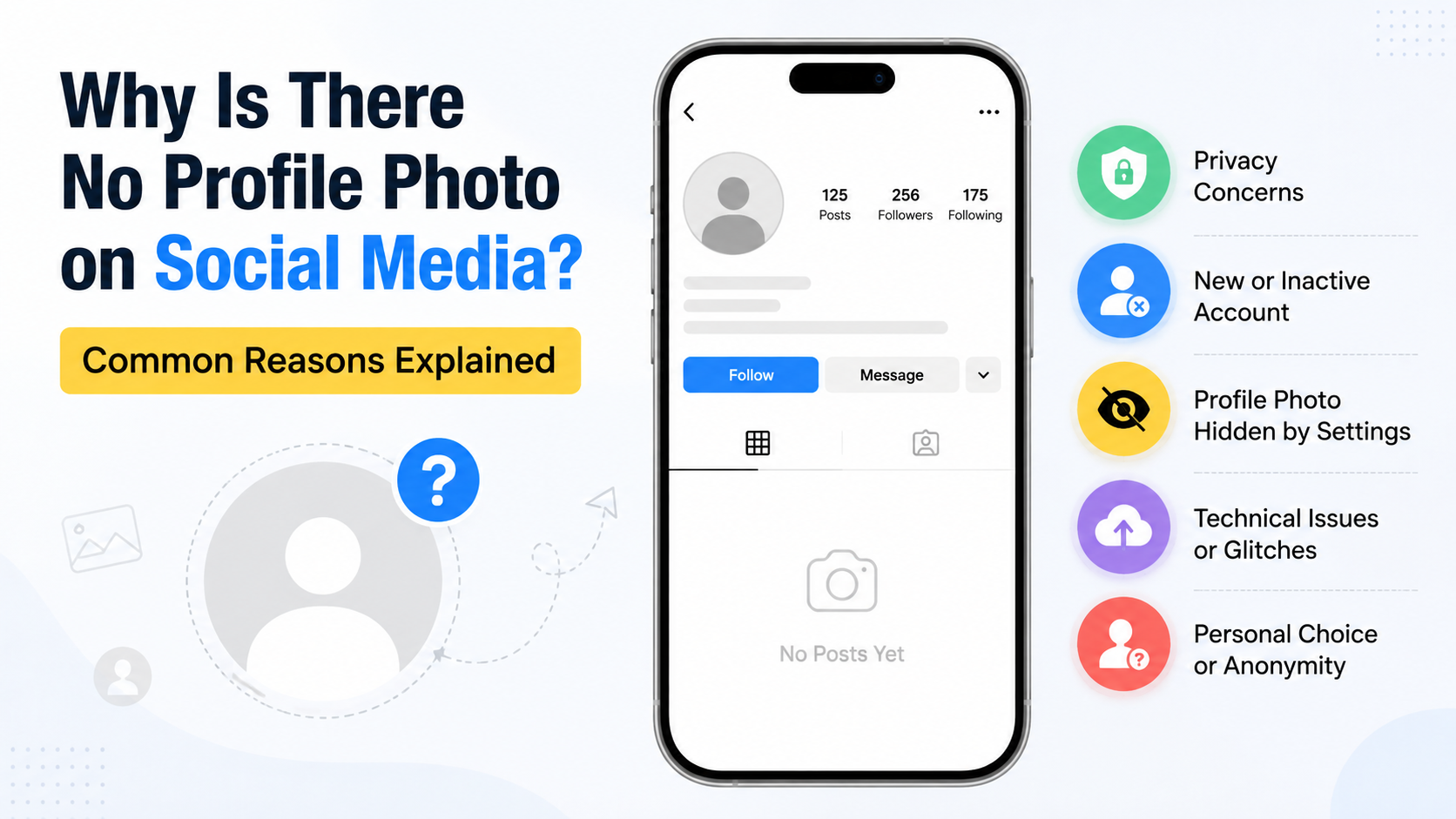
Why Is There No Profile Photo on Social Media? Common Reasons Explained
On this page
- Privacy Is One of the Most Common Reasons
- The Account May Be New, Inactive, or Secondary
- Technical Problems Can Hide a Profile Photo
- Some Users Prefer an Avatar, Logo, or Blank Image
- Professional Boundaries May Influence the Decision
- A Missing Photo Does Not Automatically Mean You Were Blocked
- When No Profile Photo Can Be a Red Flag
- How to Build Trust If You Choose No Profile Photo
- Frequently Asked Questions
- Conclusion
Why Is There No Profile Photo on Social Media? Common Reasons Explained
A missing profile picture can spark curiosity. Is the account inactive? Is the person protecting their privacy? Did they block you, or is something wrong with the platform?
The truth is that there is rarely one universal answer to the question, “why no profile photo?” Social media users have different comfort levels, personal circumstances, professional needs, and technical experiences. Some intentionally avoid using a recognizable image, while others simply have not uploaded one yet.
Understanding the common reasons behind a blank, default, or missing profile photo helps you avoid jumping to conclusions—and helps you make smarter choices about your own online presence.
Key Takeaways
- A missing profile photo often reflects privacy preferences, not suspicious behavior.
- Technical glitches, account settings, and platform updates can temporarily hide profile images.
- Professionals may skip personal photos to separate private and work identities.
- New, inactive, or secondary accounts commonly use default avatars.
- Avoid assuming someone blocked you based only on a missing profile photo.
- If you choose not to use a photo, complete other profile details to establish credibility.
Privacy Is One of the Most Common Reasons
For many people, the simplest explanation for why no profile photo appears is privacy. A profile image can reveal more than a person intends: their face, location, family members, workplace, age range, or lifestyle.
Protecting Personal Identity
Some users prefer not to make their identity easily searchable. This is especially common among people who:
- Work in public-facing roles
- Have experienced harassment or stalking
- Want to limit unwanted contact
- Participate in sensitive communities or discussions
- Keep personal and professional lives separate
For example, a teacher may use a default avatar on a public platform to reduce the chances that students or parents find personal information outside work-related channels.
Avoiding Image Misuse
Photos can be copied, edited, impersonated, or used without permission. While social platforms offer reporting tools, preventing misuse can feel easier than responding after it happens.
A person who has previously dealt with catfishing, identity theft, or unauthorized reposting may deliberately choose no profile photo. Their decision can be a practical safety measure rather than a sign that the account is fake.
Controlling Digital Footprints
A profile image is part of a person’s permanent online footprint. Even if someone later deletes an account, screenshots and cached copies may remain.
People who are cautious about online privacy may avoid uploading recognizable photos because they want greater control over where their likeness appears. This approach is increasingly common as awareness of data collection and facial-recognition technology grows.
The Account May Be New, Inactive, or Secondary
Sometimes the explanation is far less personal: the account simply is not fully set up.
Newly Created Accounts
Many people create a social media account to view content, message one person, join a group, or claim a username. They may never complete the profile setup process.
A default silhouette or blank image is common when someone has:
- Just joined a platform
- Signed up through an email or phone number
- Created an account quickly for a specific purpose
- Not yet decided what they want to share publicly
For instance, someone who joins LinkedIn to research jobs may browse for weeks before adding a professional headshot and full work history.
Inactive or Forgotten Profiles
Old accounts often remain online long after a person stops using them. If the profile photo was removed before the account became inactive—or was never added—you may see a blank avatar.
Signs of an inactive account can include:
- No recent posts or comments
- An outdated bio
- Old connections or followers
- Little engagement with current content
- No response to messages
A missing image alone does not confirm inactivity, but it may be one clue among several.
Secondary and “Viewer” Accounts
Some people maintain extra accounts for specific interests, private browsing, business research, gaming, or following communities without using their main identity.
These accounts may intentionally have no profile photo because the user does not want them linked to their real-world identity. A marketing professional, for example, might use a separate account to observe industry conversations without turning every interaction into a business networking opportunity.
Technical Problems Can Hide a Profile Photo
Before reading too much into why no profile photo appears, consider the possibility of a technical issue. Social platforms are not always perfectly reliable.
App, Browser, or Connection Issues
A profile image may fail to load because of:
- A slow or unstable internet connection
- Outdated app versions
- Browser cache problems
- Temporary server errors
- Device-specific display bugs
You might see a default icon even though the person has a visible photo for other users. Try refreshing the page, reopening the app, clearing cached data, or viewing the profile from another device if the issue matters.
Platform Updates and Synchronization Delays
Social platforms regularly update privacy systems, image-processing tools, and profile layouts. During these changes, profile photos can disappear temporarily or display inconsistently.
For example, a user may upload a new image that appears immediately on their phone but takes longer to display on desktop or in search results. In other cases, the platform may be reviewing or processing the image.
Deleted, Replaced, or Moderated Images
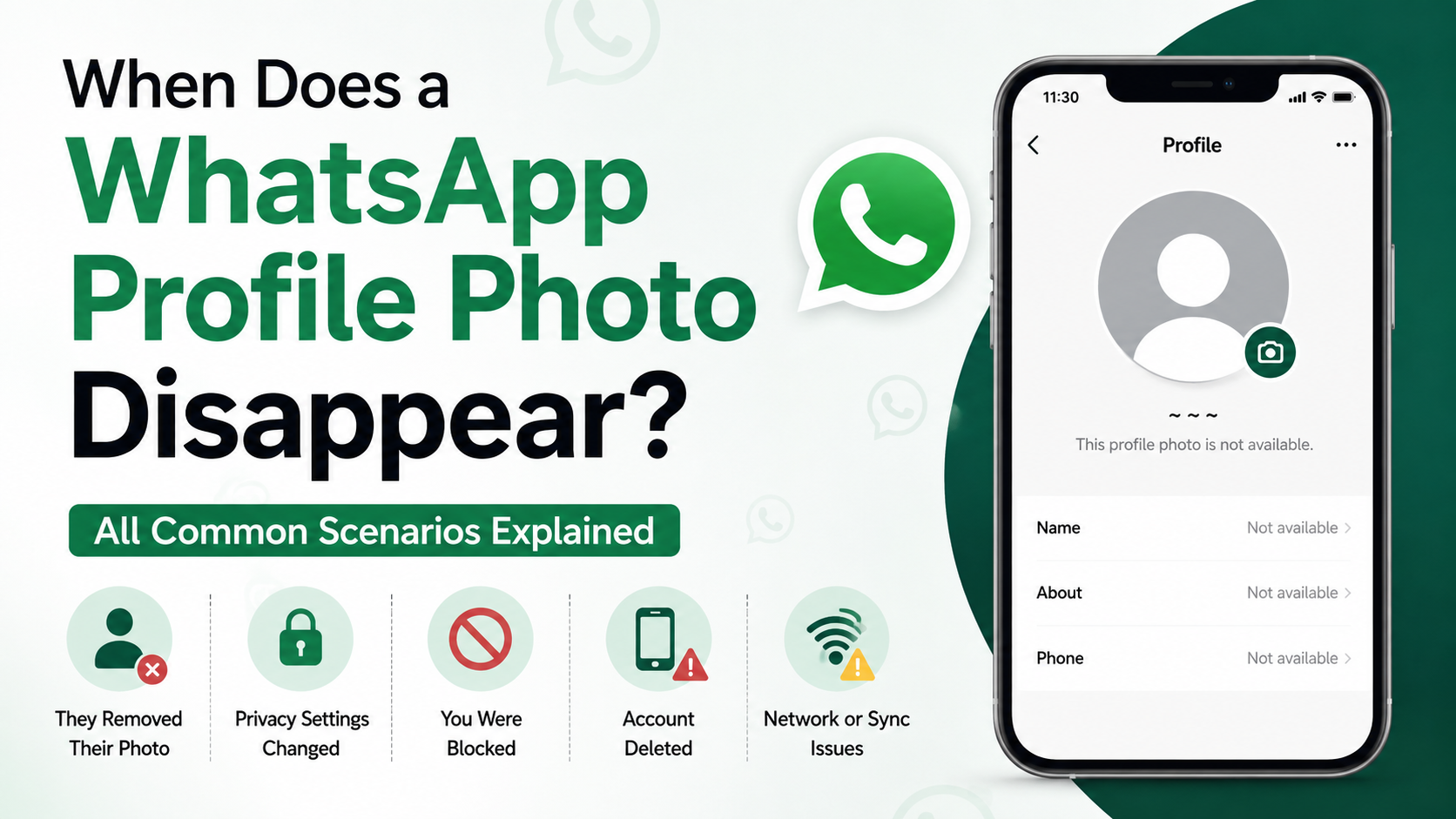
The account owner may have removed their photo, changed it recently, or had it taken down by the platform. Image moderation can occur when a picture violates community rules, contains copyrighted material, or triggers automated review systems.
If the profile photo was visible yesterday and blank today, the cause may be as simple as a recent update—not a personal message directed at you.
Some Users Prefer an Avatar, Logo, or Blank Image
A profile photo does not have to be a face. In many online spaces, users choose symbols, artwork, pets, logos, or default icons instead.
Personal Branding Choices
Creators and entrepreneurs sometimes use a logo instead of a personal portrait to make their brand more recognizable. This is common for:
- Small businesses
- Podcasts
- Online stores
- Community organizations
- Media pages
- Fan accounts
A business account with no face-based profile picture is not necessarily incomplete. If its logo is clear and consistent across platforms, it can strengthen brand recognition.
Anonymous or Pseudonymous Communities
Some communities are built around ideas, hobbies, or support rather than identity. On forums, gaming networks, mental-health communities, and interest-based platforms, an avatar may feel more appropriate than a personal image.
A user discussing a sensitive health condition may want to share valuable experiences without revealing their identity. In that setting, no profile photo can encourage safety and honest participation.
Minimalist Preferences
Not every choice needs a strategic reason. Some people simply dislike posting photos of themselves. They may value simplicity, avoid selfies, or feel that their content speaks for itself.
It is worth remembering that social media norms vary widely. What feels standard on one platform can feel unnecessary on another.
Professional Boundaries May Influence the Decision
A professional profile photo can build trust on platforms such as LinkedIn, but that does not mean every professional wants their face displayed everywhere.
Separating Work From Personal Life
Many professionals want colleagues, clients, or recruiters to see only the information they intentionally share. They may use a photo on a career-focused platform but leave personal accounts blank or private.
This is especially relevant for people in fields involving confidentiality, public scrutiny, or frequent customer contact, including:
- Healthcare
- Education
- Law
- Human resources
- Government
- Security
- Journalism
A therapist, for example, may have a professional photo on a practice website but choose not to use one on a personal social account that contains family updates.
Reducing Bias and Unwanted Judgments
Profile photos can lead to quick assumptions about age, ethnicity, gender presentation, appearance, or background. Some users choose no profile photo to keep initial interactions focused on their work, writing, qualifications, or ideas.
This cannot eliminate bias entirely, but it can give users more control over what others see first.
Company Policies and Compliance
Some organizations have policies about employee social media use, branded imagery, and public representation. Employees may avoid personal photos or use approved branding when they want to reduce confusion about whether they are speaking for themselves or their employer.
A Missing Photo Does Not Automatically Mean You Were Blocked
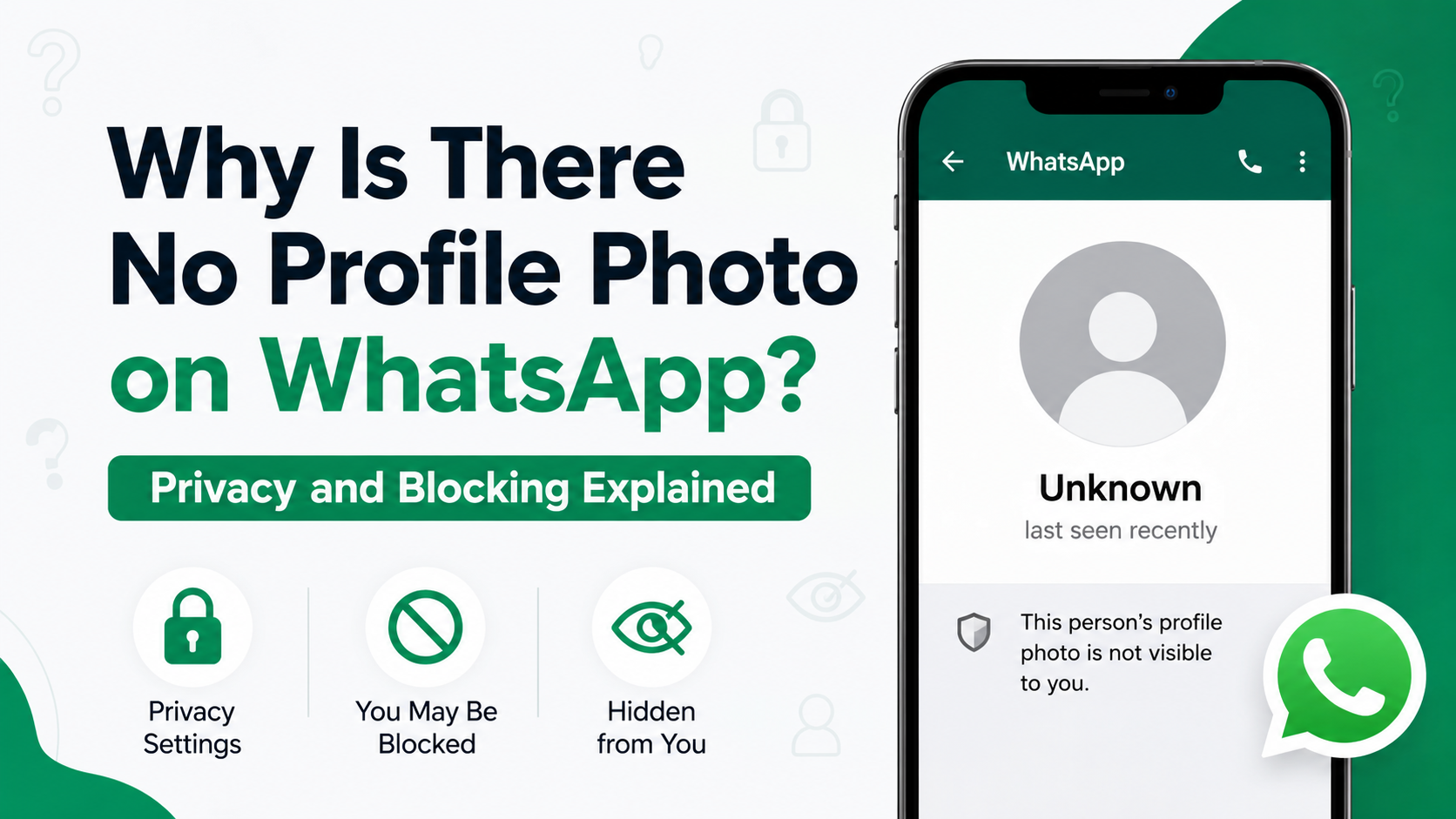
One common worry is that a missing profile picture means someone blocked or restricted you. While this can happen on certain platforms, it is not enough evidence by itself.
How Blocking Can Affect Visibility
Depending on the platform, blocking may limit your ability to view a person’s profile, posts, comments, follower list, or profile image. However, platforms apply these rules differently, and privacy settings can create similar results.
A blank photo could also mean that the person:
- Changed their privacy settings
- Deleted their image
- Deactivated their account
- Changed usernames or account types
- Has a loading issue on your device
Avoid Making Assumptions
If you cannot see a photo but can still view recent posts, send messages, or access other profile details, blocking is less likely. If the account seems unavailable altogether, the person may have deleted or deactivated it.
The best approach is to avoid treating a profile image as proof of someone’s intentions. Online signals are often incomplete and easily misread.
Respect Boundaries
If you suspect someone has intentionally limited access to their profile, do not create alternate accounts to investigate them. Respecting digital boundaries is healthier, more ethical, and more likely to prevent misunderstandings.
When No Profile Photo Can Be a Red Flag
Most blank profiles are harmless, but context matters. A missing photo becomes more concerning when it appears alongside other warning signs.
Signs That Warrant Extra Caution
Be careful when an account with no profile photo also has:
- A very new creation date
- No meaningful posts or interactions
- An incomplete or inconsistent bio
- Unusual spelling or copied content
- Rapid requests for money, personal details, or private images
- Pressure to move conversations off-platform
- Claims that cannot be independently verified
For example, a new account that has no profile photo, no shared connections, and immediately asks for financial help should be treated cautiously.
Verify Without Overstepping
If you need to assess whether an account is legitimate, use reasonable, respectful checks:
- Review posting history and engagement
- Look for mutual contacts
- Confirm business details through official websites
- Use in-platform verification features where available
- Ask direct but non-invasive questions when appropriate
Do not rely on one indicator. Legitimate people can have blank profiles, and scammers can use polished photos. Look at the overall pattern of behavior.
Protect Yourself During Online Interactions
Whether or not a profile has a photo, avoid sharing sensitive information too quickly. Keep financial details, passwords, identification documents, and private images secure.
If an account feels suspicious, stop engaging, use the platform’s reporting tools, and block the user if necessary.
How to Build Trust If You Choose No Profile Photo
If you intentionally choose no profile photo, you can still make your account feel credible and approachable.
Complete the Rest of Your Profile
A clear bio, accurate name or brand name, useful links, and relevant content can communicate legitimacy. You do not have to reveal everything, but a sparse profile may make others uncertain about whether it is genuine.
Consider adding:
- A concise bio explaining your purpose
- A website or portfolio link
- A branded icon or custom avatar
- Location only if you are comfortable sharing it
- Public examples of your interests or work
Use a Consistent Alternative Image
If you do not want to use a face photo, choose an image that reflects your identity without exposing personal details. A logo, illustration, initials, or recognizable color scheme can make your profile easier to remember.
For professionals, a clean branded graphic is often more effective than leaving the platform’s default silhouette in place.
Match Your Visibility to Your Goals
Ask what you want the account to do. A private personal account can remain minimal. A business, freelance, or networking profile may benefit from a photo or alternative visual that increases trust.
There is no single right choice. The best profile image strategy balances safety, authenticity, audience expectations, and personal comfort.
Frequently Asked Questions
Why would someone remove their profile picture?
Someone may remove a profile picture for privacy, safety, personal preference, a relationship or life change, professional boundaries, or simply because they want a different online presence. It can also happen after a platform update or image-moderation issue. Without more context, it is not reliable evidence of a specific event.
Does no profile photo mean the account is fake?
No. Many legitimate users do not upload profile photos, especially on private, secondary, new, or interest-based accounts. However, caution is appropriate when the blank image is combined with suspicious activity, inconsistent information, or requests for money or sensitive details.
Why no profile photo when I can still see their posts?
The person may have removed their image, changed who can view it, experienced a technical issue, or chosen a default avatar. Being able to see posts suggests the account is still accessible to you, so a missing photo alone does not prove blocking or restriction.
Is it unprofessional to have no profile photo?
It depends on the platform and purpose. On LinkedIn or a client-facing business profile, a professional image often helps establish trust. On private social accounts, forums, or anonymous communities, no profile photo is completely reasonable. If you prefer privacy, use a logo, illustration, or polished avatar instead.
Should I ask someone why they have no profile photo?
Only if you already have a comfortable relationship and the question is genuinely relevant. Otherwise, it can feel intrusive. People may have personal safety, privacy, or emotional reasons for avoiding photos, and they are not obligated to explain their choice.
Conclusion
There are many answers to the question of why no profile photo appears on social media. Privacy, safety, new accounts, technical problems, branding choices, anonymous participation, and professional boundaries are all common explanations.
Rather than assuming the worst, consider the broader context of the profile and the person’s behavior. A blank avatar is usually just a personal preference or practical choice—not a hidden message. If you are deciding whether to use a profile photo yourself, choose the option that supports your goals while protecting your comfort and privacy.
Advertisement