August 19, 2026 · 12 min read
Why Is a Profile Picture Called a DP? Meaning, History, and Usage
On this page
- What Does DP Mean Online?
- Why Is a Profile Picture Called a DP?
- The History of the Term “DP”
- Where Is “DP” Commonly Used?
- How a DP Shapes Your Online Identity
- How to Choose the Right DP for Each Platform
- Common Mistakes People Make With Their DP
- DP, PFP, and Avatar: Which Term Should You Use?
- Frequently Asked Questions
- Conclusion
Why Is a Profile Picture Called a DP? Meaning, History, and Usage
If you have ever heard someone say, “Nice DP!” or “Please update your DP,” you may have wondered what it means. In online conversations, DP is a widely used abbreviation for a profile picture—especially on messaging apps and social media platforms.
But why profile picture is called DP is not as straightforward as it seems. The term has evolved through internet culture, mobile messaging, and regional language habits. While some people use it daily, others may be more familiar with phrases such as “profile photo,” “avatar,” or “display picture.”
This guide explains the meaning, history, and proper usage of DP, along with practical advice for choosing the right image for personal and professional online profiles.
Key Takeaways
- DP most commonly stands for display picture, not “profile picture.”
- The term became popular through early social networks, forums, and instant-messaging platforms.
- Many people now use “DP” and “profile picture” interchangeably.
- “DP” is especially common in India, Pakistan, Bangladesh, and other communities influenced by South Asian internet culture.
- Your DP affects how people perceive you online, whether you are using a personal, social, or professional account.
- Choose a clear, current, platform-appropriate image that reflects the purpose of your profile.
What Does DP Mean Online?
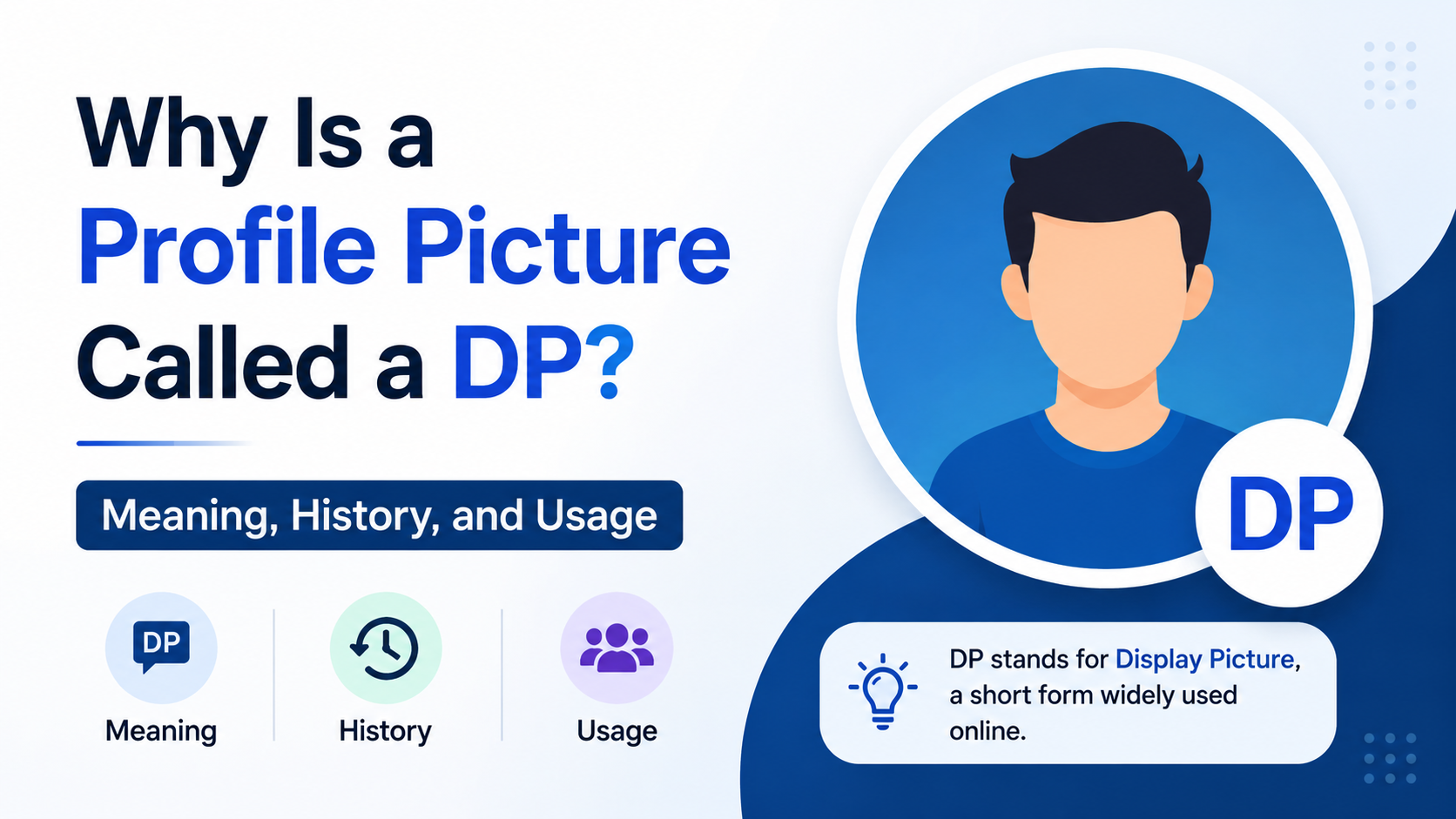
DP stands for display picture. It refers to the image shown next to your name, account, messages, comments, or profile information on a digital platform.
For example, on WhatsApp, Instagram, Facebook, LinkedIn, Telegram, Discord, or an email service, the image associated with your account can be called a DP. It helps other people identify you quickly without reading your full name.
Display Picture vs. Profile Picture
Although the terms are often used interchangeably, they have slightly different origins.
- Display picture: An image displayed publicly beside your name or activity.
- Profile picture: An image placed in the profile section of your account.
- Avatar: A digital representation of a user, which may be a real photograph, illustration, icon, or character.
- Profile photo: A more formal version of “profile picture,” commonly used in business and social media contexts.
In practice, all four terms may refer to the same thing. The wording usually depends on the platform, region, age group, and online community.
A Simple Example
Imagine receiving a WhatsApp message from a new number. Before you read the message, you may look at the sender’s image to see whether you recognize them. That image is their DP.
Similarly, if someone says, “Change your DP for the event,” they are asking you to update your visible account photo.
Why Is a Profile Picture Called a DP?
The short answer is that DP originally means display picture. It describes an image that is displayed alongside a user’s name or account activity.
Over time, people began using DP as a shorter and more convenient alternative to “profile picture.” Because profile images are among the most visible elements of an account, the term became attached to the image at the top of a user’s profile.
The Role of Internet Abbreviations
Online communication encourages short, fast expressions. Just as people write:
- “DM” for direct message
- “PFP” for profile picture
- “PM” for private message
- “BRB” for be right back
- “IMO” for in my opinion
…many users adopted “DP” because it is quicker to type and easy to understand within their communities.
Why the Term Can Be Confusing
The phrase “display picture” is not universally used. In North America and many global online spaces, PFP is often more common. “PFP” explicitly means profile picture, while DP may be unfamiliar to users who did not grow up seeing it on messaging apps or regional social networks.
That is why a person in one country may say, “Update your DP,” while another might say, “Your PFP looks great.”
Both are usually talking about the same account image.
The History of the Term “DP”
The history of DP is closely connected to the rise of digital profiles and instant messaging. Before social media became central to everyday life, people used chat rooms, online forums, email services, and messenger applications to communicate.
Many of these services allowed users to add a small image that appeared beside their screen name. This image was commonly described as a display picture.
Early Messaging and Social Platforms
During the early internet era, users often created screen names instead of using real names. Their display image became an important way to establish identity and personality.
Common DP styles included:
- Cartoon characters
- Celebrity photos
- Nature scenes
- Anime artwork
- Sports logos
- Quotes with decorative text
- Low-resolution selfies taken with early camera phones
As online platforms became more visual, people started using personal photos more frequently. The display picture gradually became a recognizable social identity marker.
The Rise of Mobile Internet Culture
DP became even more popular with the expansion of mobile phones and apps such as BlackBerry Messenger, WhatsApp, Facebook, and Instagram. A changing DP could signal a birthday, relationship status, celebration, travel update, or personal mood.
For example:
- A person may use a graduation photo as their DP after finishing university.
- A business owner may change their DP to a branded headshot.
- Friends may use matching DPs during a group trip or event.
- Supporters may add campaign frames or symbols to show solidarity with a cause.
The image was no longer just a static account setting. It became a quick form of self-expression.
Where Is “DP” Commonly Used?
DP is widely understood in many messaging-heavy online communities. However, its popularity varies by region and platform.
Regional Usage
The abbreviation is especially common in South Asian English conversations, including India, Pakistan, Bangladesh, Nepal, and Sri Lanka. It is often used casually in text messages, social posts, and workplace chats.
You might see phrases such as:
- “Your new DP is beautiful.”
- “Put this photo as your DP.”
- “Why did you remove your DP?”
- “I cannot see their WhatsApp DP.”
In other English-speaking regions, people may be more likely to say “profile photo,” “profile picture,” or “PFP.”
Platform-Specific Language
Different platforms encourage different vocabulary.
| Platform Type | Common Terms | |---|---| | WhatsApp and messaging apps | DP, profile photo | | Instagram and Facebook | Profile picture, profile photo | | LinkedIn | Profile photo, headshot | | Discord, gaming, and X communities | PFP, avatar | | Forums and older chat spaces | Avatar, display picture |
Using the platform’s preferred language can make communication clearer. For instance, “LinkedIn headshot” sounds more professional than “LinkedIn DP” in a business setting.
How a DP Shapes Your Online Identity
A DP is often the first visual signal people receive about you online. In many situations, it influences whether someone sees your account as trustworthy, approachable, professional, creative, or anonymous.
That does not mean every profile picture must be formal. It means your image should match your purpose.
Personal DPs
For personal messaging and social accounts, authenticity is usually more important than polish. A friendly, recognizable image helps friends, family, classmates, and contacts identify you.
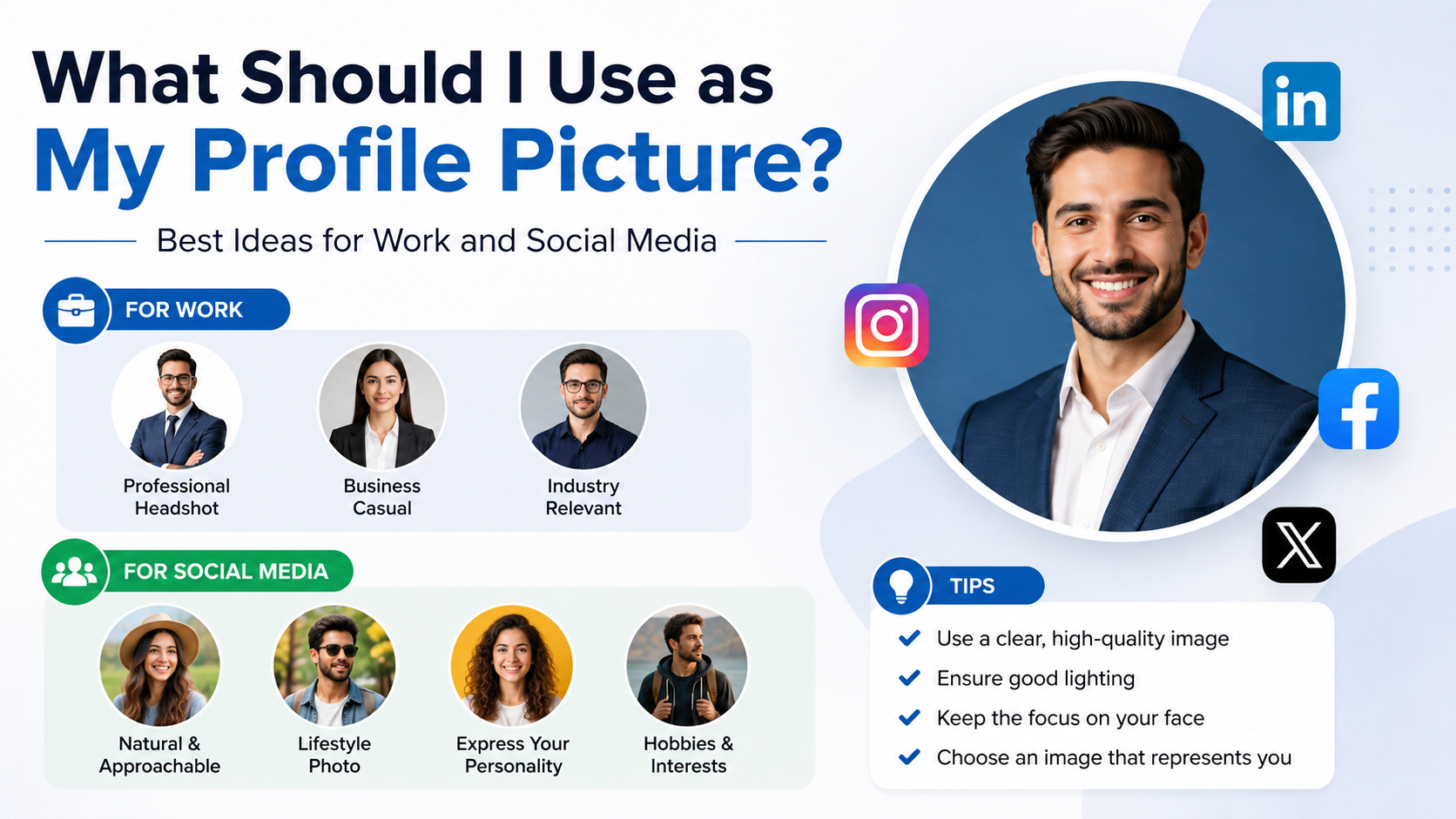
Good personal DP options include:
- A clear, recent photo of your face
- A relaxed picture from a meaningful activity or trip
- A simple photo with good lighting
- An image that reflects your interests without being distracting
Avoid using images that make identification difficult, such as extremely dark photos, distant group shots, or heavily edited filters.
Professional DPs
For work-related platforms, your profile picture can influence first impressions with clients, recruiters, colleagues, and industry contacts.
A strong professional profile photo should generally be:
- Clear and high resolution
- Recent and recognizable
- Well-lit
- Framed around your face and shoulders
- Appropriate for your industry
- Consistent with your personal brand
For example, a consultant, attorney, recruiter, or freelancer may use a clean headshot with a neutral background. A designer or creative professional may choose a more expressive but still polished image.
Brand and Business DPs
Businesses also use DPs. A company may choose:
- A recognizable logo
- A simplified logo designed for small circular crops
- A campaign-specific branded image
- A founder’s photo for a personal-brand business
For a company account, a logo is usually best. For a consultant or creator-led brand, a clear personal headshot can build stronger human connection.
How to Choose the Right DP for Each Platform
The best profile image depends on where and why people will see it. Reusing the same photo everywhere can strengthen recognition, but some platforms call for different levels of formality.
Match the Image to the Platform’s Purpose
Consider these practical choices:
- WhatsApp: Use a recognizable photo or an image that close contacts will identify easily.
- LinkedIn: Choose a professional headshot with clear facial visibility.
- Instagram: Use a photo or branded image that supports your content style.
- Facebook: A casual but recognizable picture usually works well.
- Business accounts: Use a readable logo that remains clear at a small size.
- Gaming communities: An avatar or themed image may fit better than a formal photo.
Check the Small-Image Test
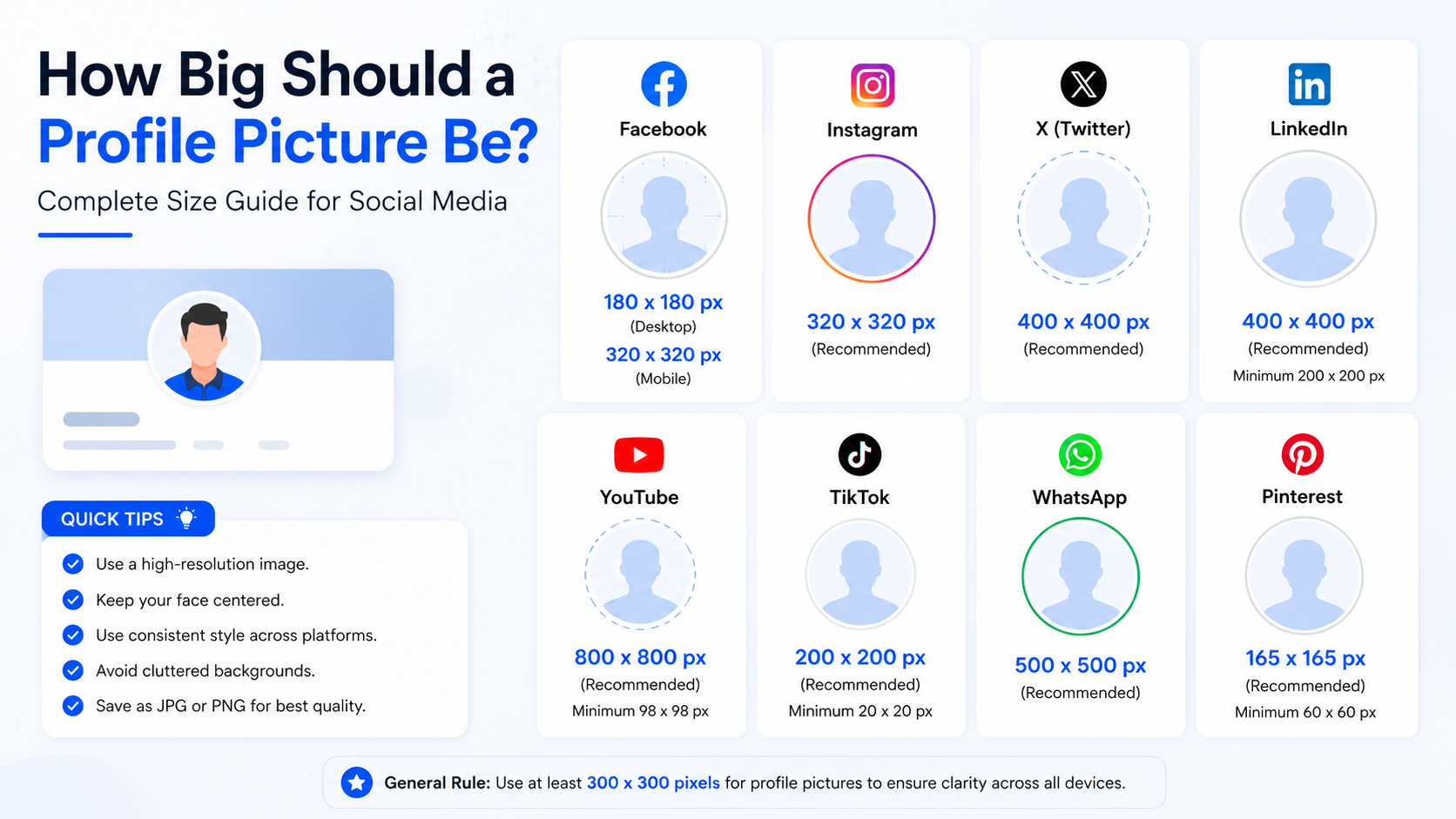
Most platforms display profile images as small circles. Before uploading your image, ask:
- Can people recognize the subject at a small size?
- Is your face centered and visible?
- Does the image crop well into a circle?
- Is the background too busy?
- Does the image look sharp rather than blurry?
A high-quality image can still perform poorly if your face occupies only a tiny part of the frame.
Keep It Current
An outdated DP can create confusion, particularly in professional settings. If your appearance has changed significantly, or if the image is several years old, consider updating it.
Your profile image does not need to be replaced every month. However, keeping it reasonably current helps preserve trust and recognition.
Common Mistakes People Make With Their DP
A profile picture may seem minor, but small mistakes can affect communication and credibility.
Using a Group Photo
A group photo makes it difficult for people to know which person owns the account. If you use one, make sure you are clearly visible—but a solo image is usually better.
Choosing an Overly Edited Image
Heavy filters, face-altering effects, and aggressive retouching can make a DP feel less authentic. This is especially important for job searches, networking, and client-facing work.
Uploading a Blurry or Poorly Cropped Photo
A blurry image can make a profile feel inactive or unprofessional. Crop the image carefully and use a version with sufficient resolution.
Ignoring Privacy Settings
Some people want a public DP, while others prefer privacy. Review each platform’s visibility controls, especially on messaging apps where your photo may be visible to unknown contacts.
For example, you may choose to show your WhatsApp profile photo to:
- Everyone
- Only your contacts
- Contacts except selected people
- Nobody
Your ideal setting depends on how you use the app and how much personal information you want to share.
DP, PFP, and Avatar: Which Term Should You Use?
There is no single correct term in every situation. The best choice depends on your audience.
Use “DP” When
Use DP in casual conversations when your audience already understands it. It works particularly well in messaging and social contexts where “display picture” is common.
Example: “Please use the event photo as your DP today.”
Use “Profile Picture” When
“Profile picture” is the safest and most universally understood option. It works in most written content, user guides, customer support messages, and general conversations.
Example: “Update your profile picture to help colleagues recognize you.”
Use “PFP” When
PFP is common in gaming, Discord servers, meme communities, and social platforms with younger or internet-native audiences.
Example: “That new PFP matches your banner perfectly.”
Use “Avatar” When
Use avatar when the image is not necessarily a real photograph. It may be an illustration, icon, 3D character, or generated identity image.
Example: “Create an avatar before joining the virtual workspace.”
Frequently Asked Questions
Is DP short for display picture or profile picture?
DP traditionally stands for display picture. However, people often use it to refer to a profile picture because the profile image is displayed beside a user’s name across apps and websites.
Why do people call a WhatsApp profile photo a DP?
WhatsApp users often call the account photo a DP because it is the image displayed beside their name and messages. The term became popular through mobile messaging culture and is now commonly used for profile photos on many apps.
Is DP a formal term?
Not usually. DP is casual internet shorthand. In professional communication, “profile photo,” “profile picture,” or “headshot” may sound clearer and more polished, especially on LinkedIn, company websites, and business emails.
What is the difference between DP and PFP?
DP means display picture, while PFP means profile picture. In most casual contexts, they mean the same thing. PFP is more common in gaming and global online communities, whereas DP is widely used in messaging-based and South Asian digital culture.
Should I use my real photo as my DP?
It depends on the platform and your privacy preferences. A real photo is useful for professional networking, work communication, and staying recognizable to contacts. On anonymous forums, gaming platforms, or privacy-sensitive accounts, an avatar, logo, or non-personal image may be more appropriate.
Conclusion
So, why profile picture is called DP? The term comes from display picture—the image displayed alongside your name, messages, and profile activity. While “DP,” “profile picture,” “PFP,” and “avatar” have slightly different origins, they often describe the same essential feature: your visual identity online.
Choose a DP that fits the platform, helps people recognize you, and reflects the impression you want to create. Whether you are updating a WhatsApp photo, building a professional LinkedIn presence, or creating a recognizable business profile, a thoughtful display picture can make every interaction feel more personal and credible.
Advertisement