August 19, 2026 · 11 min read
What Does a Black Profile Photo Mean? Common Meanings and Trends
On this page
- The Most Common Black Profile Photo Meaning: Mourning and Grief
- Black Profile Photos as Symbols of Solidarity
- Privacy, Boundaries, and Digital Breaks
- Aesthetic and Personal Branding Choices
- Black Profile Photos and Account Status Signals
- Cultural Differences and Personal Interpretation
- How to Use a Black Profile Photo Thoughtfully
- Frequently Asked Questions
- Conclusion
What Does a Black Profile Photo Mean? Common Meanings and Trends
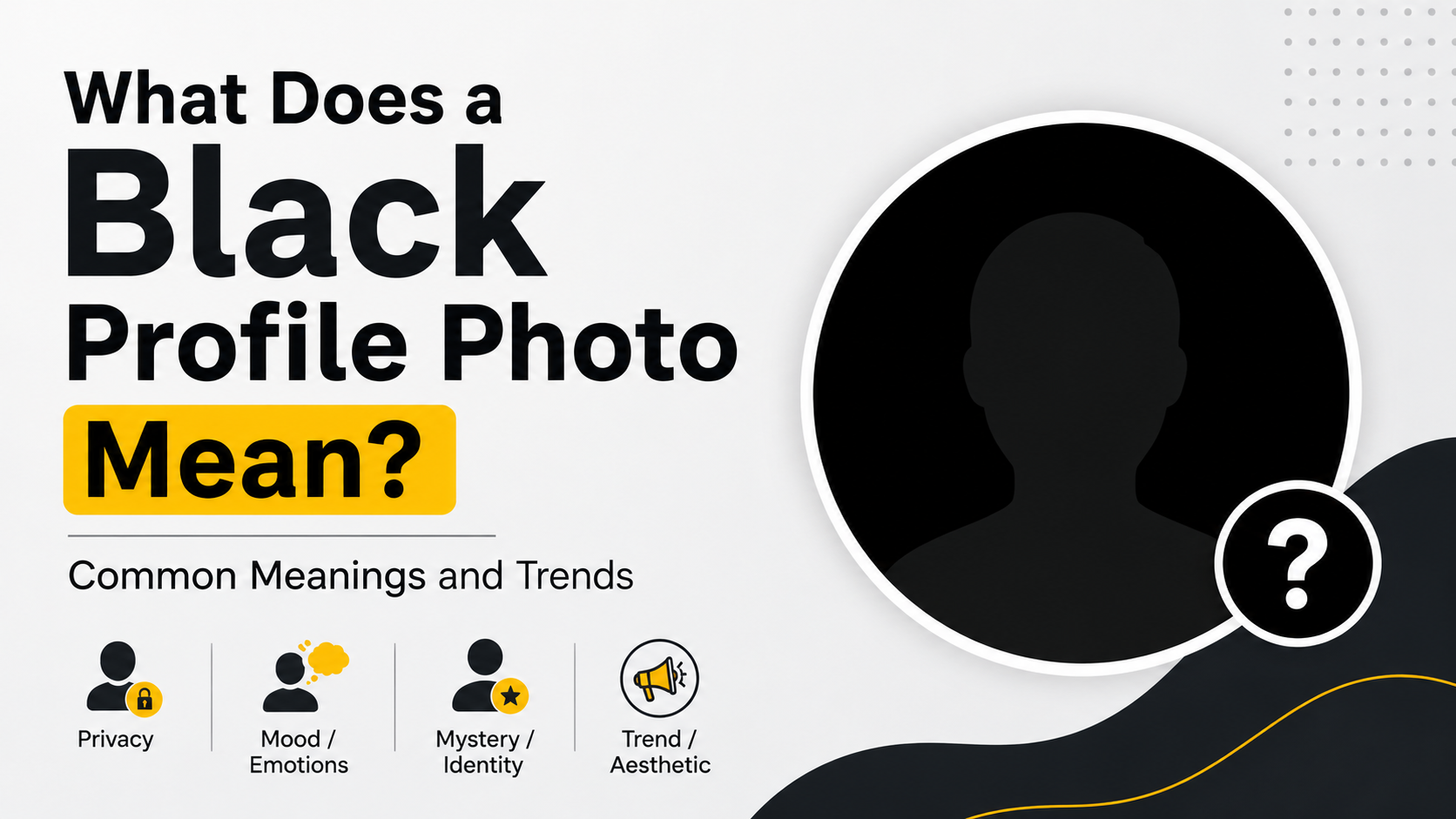
A black profile photo can be striking precisely because it says so little at first glance. On social media, messaging platforms, and professional networks, it may signal grief, a public statement, privacy, or simply a preference for a clean visual style.
The important point is context. There is no single universal black profile photo meaning, and assuming one can lead to misunderstandings. Understanding the platform, timing, surrounding posts, and the person’s usual online behavior can help you respond thoughtfully rather than jump to conclusions.
Key Takeaways
- A black profile photo often represents mourning, remembrance, or support after a loss.
- It can also be used for protest, solidarity, or awareness campaigns.
- Some people choose black images to protect privacy or take a break from online visibility.
- Minimalist aesthetics, branding, and “dark mode” visual preferences are common non-serious reasons.
- Avoid assuming the meaning; check recent posts or ask privately and respectfully when appropriate.
- In professional settings, consider how a black profile image may be interpreted by clients, recruiters, and colleagues.
The Most Common Black Profile Photo Meaning: Mourning and Grief
For many people, a black profile photo is a quiet symbol of mourning. It may follow the death of a family member, friend, public figure, community member, or someone affected by a tragedy.
A Digital Sign of Loss
Changing a profile image to black can communicate, “I am grieving,” without requiring the person to explain their emotions repeatedly. This can be especially meaningful when someone is not ready to write a public post but still wants others to understand that they may be less active or emotionally available.
Common reasons include:
- The death of a loved one
- A memorial anniversary
- A local or national tragedy
- A loss within a school, workplace, faith group, or community
- Respect for a well-known public figure
For example, after a close relative dies, someone may replace their usual photo with a plain black image for several days or weeks. It may serve as both a personal expression of sadness and a request for space.
How to Respond Respectfully
If you suspect a black profile photo relates to grief, avoid making the conversation about your curiosity. A brief, private message is usually more appropriate than a public comment.
You might say:
- “I noticed your profile photo changed. Thinking of you—no need to reply.”
- “I’m here if you need anything.”
- “Sending you care and support.”
If you do not know the person well, it is fine to say nothing. Respectful silence can be better than an intrusive question.
Black Profile Photos as Symbols of Solidarity
A black profile photo may also be a collective gesture. During a social movement, public tragedy, or awareness campaign, people sometimes use black images to show support for an affected group or cause.
Participation in Online Campaigns
Social media makes symbolic participation easy. Users can join a collective moment by changing their profile photo, sharing a hashtag, or posting a statement. In this context, black often represents mourning, resistance, seriousness, or unity.
A black image may be connected to:
- Anti-violence campaigns
- Human rights movements
- Disaster or crisis response
- Memorial observances
- Community-wide calls for reflection
- Awareness days addressing discrimination or injustice
The image itself is not always enough to identify the exact cause. Look for supporting clues, such as hashtags, captions, recent posts, or profile banners.
Symbolism Is Powerful—but Context Matters
A shared visual symbol can help people express support quickly. However, it can also be misunderstood if viewers do not know the campaign behind it. Not every black profile image is activism, and not every activism-related black image means the same thing.
Before sharing or commenting, ask yourself:
- Is there a current event linked to the image?
- Has the person posted about a cause recently?
- Is this a widespread campaign in their community?
- Could the image instead be personal or aesthetic?
This small pause helps prevent well-intended but inaccurate assumptions.
Privacy, Boundaries, and Digital Breaks
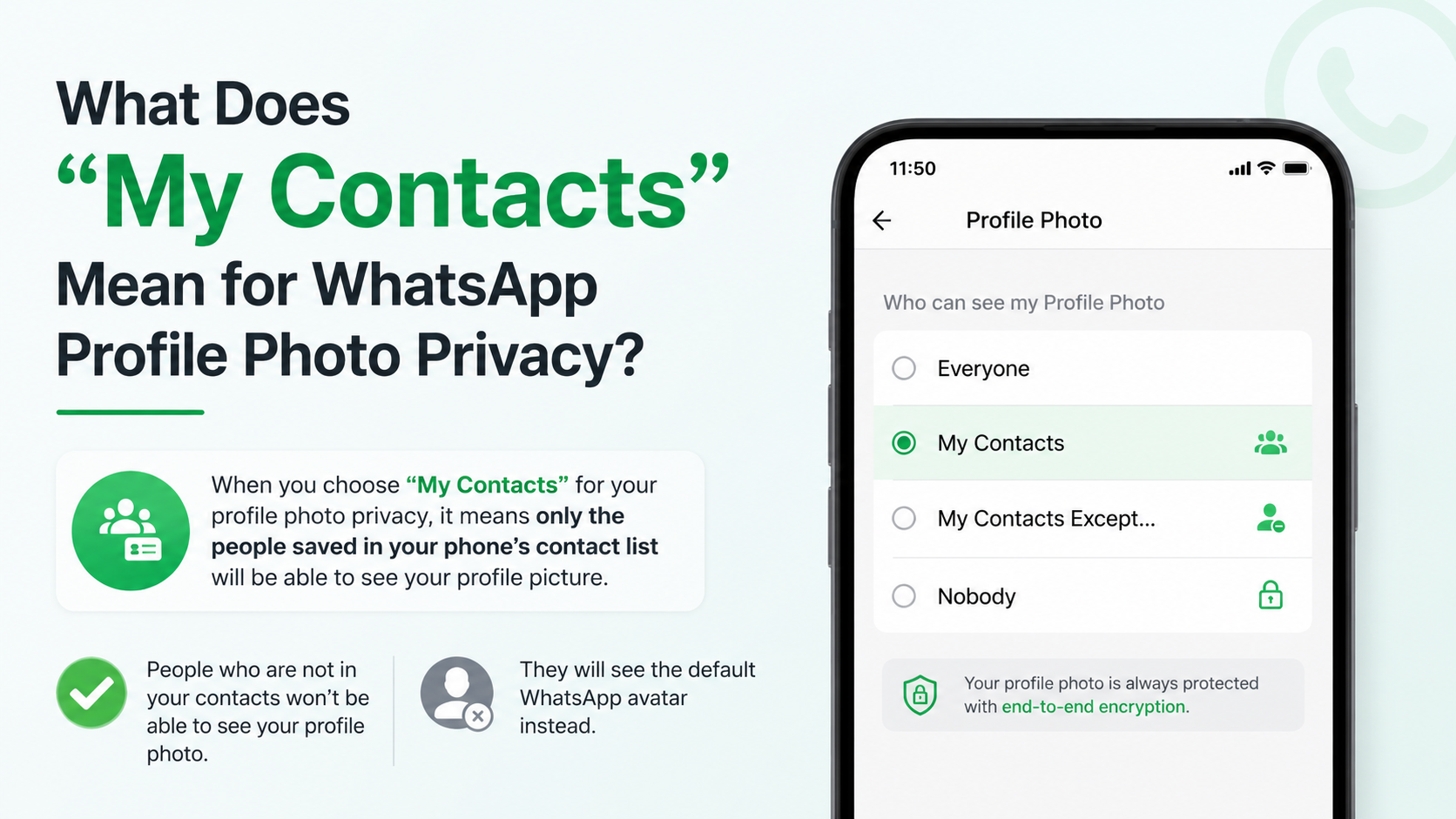
Sometimes the black profile photo meaning is simply privacy. A person may remove their face from public view without deleting their account or leaving a platform entirely.
Why Someone May Hide Their Photo
Profile images can reveal more than people realize. They can identify someone’s appearance, workplace, age range, relationships, or location. A black image offers a low-effort way to reduce visibility while keeping an account active.
People may choose it when they are:
- Taking a break from social media
- Dealing with unwanted attention
- Navigating a job change or personal transition
- Reducing exposure after a conflict
- Separating personal and professional identities
- Protecting themselves from impersonation or harassment
For instance, a person going through a difficult breakup may temporarily use a black profile photo to create distance from public interactions without explaining their situation.
A Boundary Is Not Always an Invitation to Ask
When privacy is the likely reason, treat the change as a boundary. It does not necessarily indicate distress or demand a response. If you have a close relationship with the person, a light private check-in can be kind. If not, avoid pressing for details.
A good rule: respond to what the person has explicitly shared, not to assumptions based on their avatar alone.
Aesthetic and Personal Branding Choices
Not every black profile photo carries emotional or political weight. Black is visually versatile, modern, and easy to recognize. Some users choose it because it fits their personal style or brand.
Minimalism and Visual Consistency
A black profile image can make an account feel clean, understated, and cohesive. It may complement a monochrome feed, a dark-themed website, an artist’s portfolio, or a fashion-forward brand identity.
It is particularly common among:
- Photographers and designers
- Musicians and creative professionals
- Technology-focused brands
- Luxury and fashion accounts
- Anonymous or themed community pages
- Users who prefer a minimalist online presence
A black square can also create contrast in a crowded feed full of bright photos. In that sense, it works like a visual pause.
Professional Branding Considerations
For an individual professional profile, a completely black image can be less effective than a clear headshot. On platforms such as LinkedIn, people often use profile photos to build trust and recognition.
If you use black as part of your brand, consider alternatives that preserve the aesthetic while remaining identifiable:
- A black-and-white headshot
- A dark background with a clear portrait
- A branded logo on a black field
- A simple monogram or icon
- A black image reserved for temporary campaigns or announcements
This approach can retain a polished visual identity without making clients or contacts wonder whether your account is inactive.
Black Profile Photos and Account Status Signals
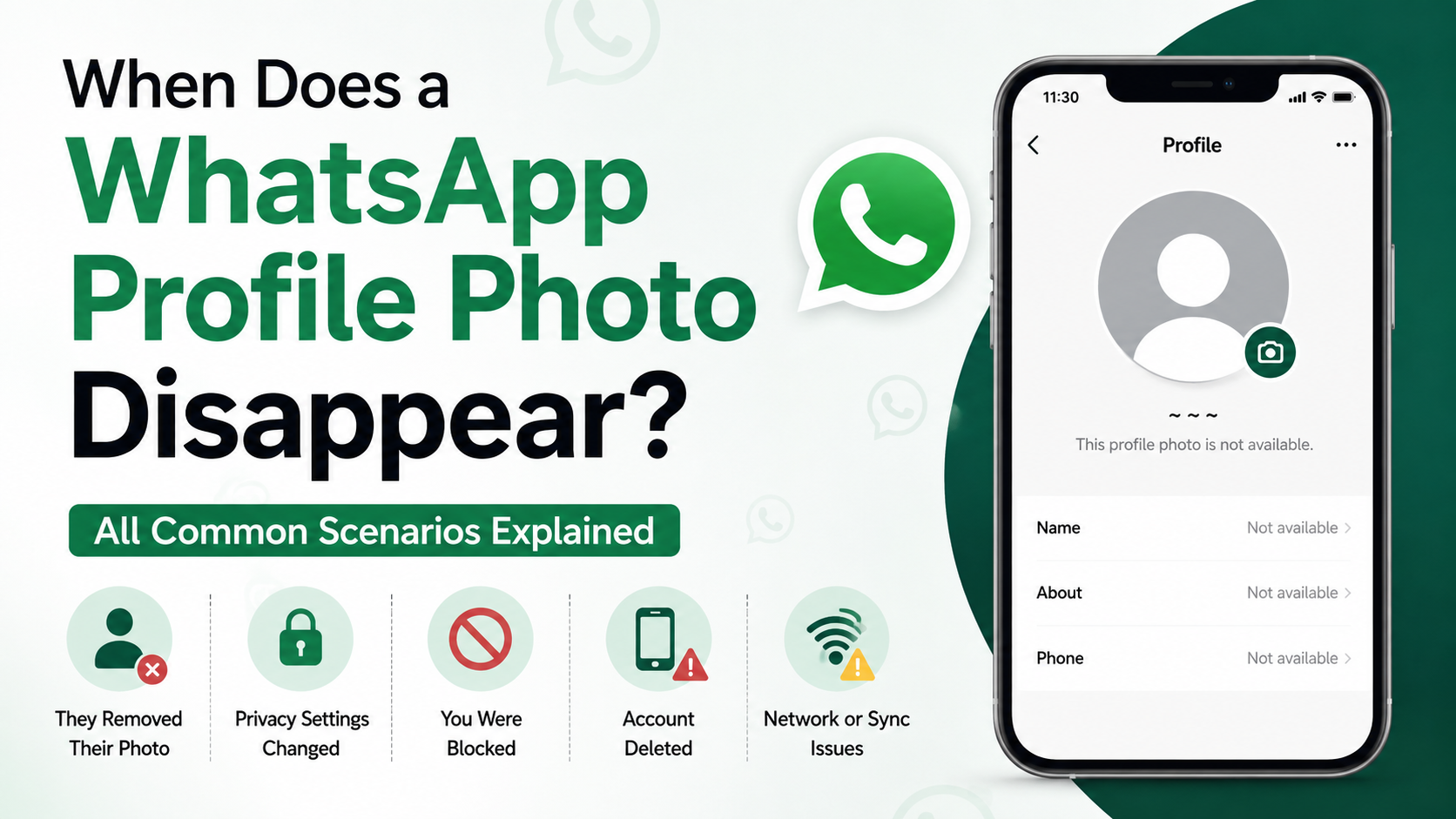
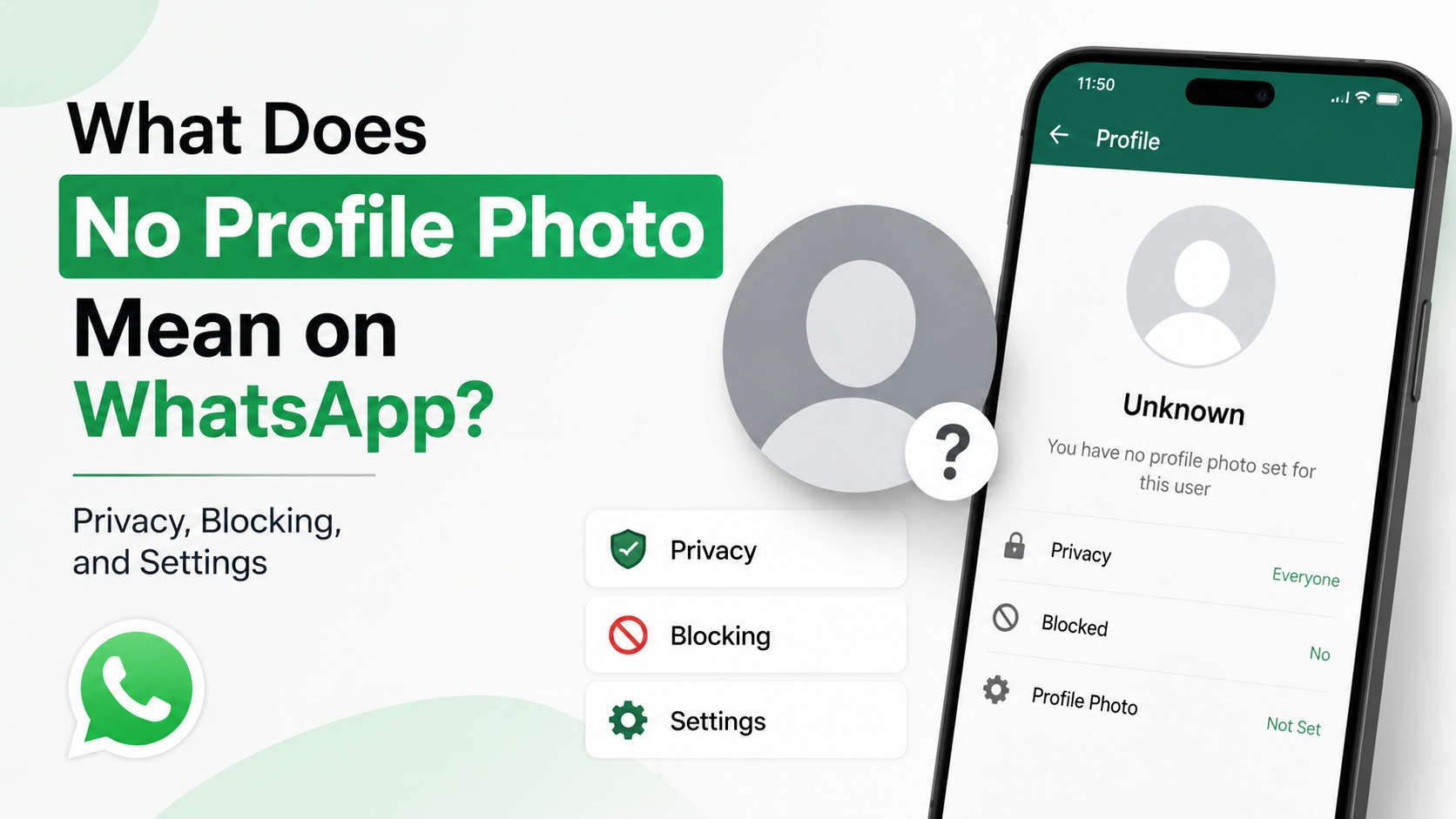
A black profile image can sometimes be a practical placeholder. Users may have deleted a photo, started a new account, changed privacy settings, or lost access to their original image.
Technical and Low-Context Explanations
Before reading deep meaning into an image, consider ordinary reasons:
- The user has not uploaded a photo yet.
- A profile photo was removed intentionally.
- An account has been reactivated or rebuilt.
- The image failed to load properly.
- A social platform displayed a default dark avatar.
- The person is testing a new visual identity.
On some apps, a dark blank image can also result from an imported account, a deleted avatar, or a platform-specific default setting. This is especially likely if the account has little recent activity.
Look Beyond the Profile Image
A profile photo is only one signal. To understand its likely meaning, consider:
- Recent posts and comments
- Bio changes
- Pinned content
- Story highlights or temporary status updates
- Changes in username, job title, or contact details
- Activity patterns before and after the change
For example, a black photo paired with a memorial post likely indicates grief. The same image paired with a new brand launch may be part of a marketing refresh.
Cultural Differences and Personal Interpretation
Color symbolism is not identical across cultures, families, and communities. While black is widely associated with mourning in many places, it can also signify power, formality, elegance, mystery, protection, rebellion, or spiritual reflection.
Why Universal Assumptions Fail
People bring personal experiences to visual symbols. One person may choose black because it represents sadness; another may choose it because it feels sophisticated, neutral, or private.
The meaning can also shift according to context:
- A black image during a community tragedy may signal solidarity.
- A black image on an artist’s account may support a visual style.
- A black image on a new anonymous account may be about privacy.
- A black image after a loss may be a quiet memorial.
The same visual choice can mean several things at once. Someone might be grieving privately while also participating in a public solidarity campaign.
The Best Interpretation Is a Humble One
Instead of deciding what a black profile image “must” mean, frame your interpretation as a possibility. This helps you remain empathetic and accurate.
Try this internal approach: “This may represent loss, support, privacy, or style. I should look for context before responding.”
That mindset is useful online generally, where small visual cues can be emotionally meaningful but incomplete.
How to Use a Black Profile Photo Thoughtfully
If you are considering changing your own profile image to black, think about what you want others to understand. The decision can be powerful, but clarity may help prevent confusion.
When a Black Image Makes Sense
A black profile photo may be appropriate when you want to:
- Mark a period of mourning
- Honor someone’s memory
- Join a verified awareness or solidarity campaign
- Reduce personal visibility temporarily
- Support a minimalist or dark visual identity
- Signal a pause from public posting
If the reason is important to you and you want others to understand, pair the image with a brief caption, pinned post, or story update. Even one sentence can provide helpful context.
Add Context Without Oversharing
You do not owe anyone a detailed explanation. Still, a short note can guide supportive responses.
Examples include:
- “Taking some quiet time. Thank you for understanding.”
- “In remembrance.”
- “Standing in solidarity with those affected.”
- “Temporarily updating my profile for privacy.”
- “A small visual reset for a new creative direction.”
Choose the level of disclosure that feels right. The goal is not to manage everyone’s reaction; it is to communicate on your own terms.
Frequently Asked Questions
Does a black profile photo always mean someone died?
No. Although black profile photos are often associated with mourning, they can also represent privacy, activism, minimalism, branding, or a temporary account change. Check the person’s recent posts or ask gently only if you have an appropriate relationship.
Is a black profile picture a sign of depression?
Not necessarily. A black image alone is not reliable evidence of depression or another mental health concern. If you are worried because of several changes—such as alarming posts, withdrawal, or direct statements of hopelessness—reach out with care and encourage professional or emergency support when needed.
Why do people use black profile photos during protests?
Black can represent grief, resistance, unity, and remembrance. During online campaigns, users may adopt black images to show solidarity with people affected by violence, injustice, or a major public event.
Should I comment on someone’s black profile photo?
Usually, a private message is more considerate than a public comment, especially if mourning may be involved. Keep it brief, supportive, and pressure-free. If you do not know the person well, it is often best to avoid asking for an explanation.
Is a black profile photo appropriate for LinkedIn?
It can be appropriate for a company logo, campaign, or temporary statement, but it is generally less effective for an individual professional profile. A recognizable, high-quality headshot usually builds more trust with recruiters, clients, and colleagues.
Conclusion
The black profile photo meaning depends on the person, the moment, and the platform. It may express grief, solidarity, privacy, creativity, or simply a preference for a bold minimalist look. The most thoughtful response is to avoid assumptions and pay attention to the wider context.
If you see a black profile photo, lead with empathy rather than curiosity. And if you use one yourself, consider whether a short explanation would help the people who care about you understand your message.
Advertisement